
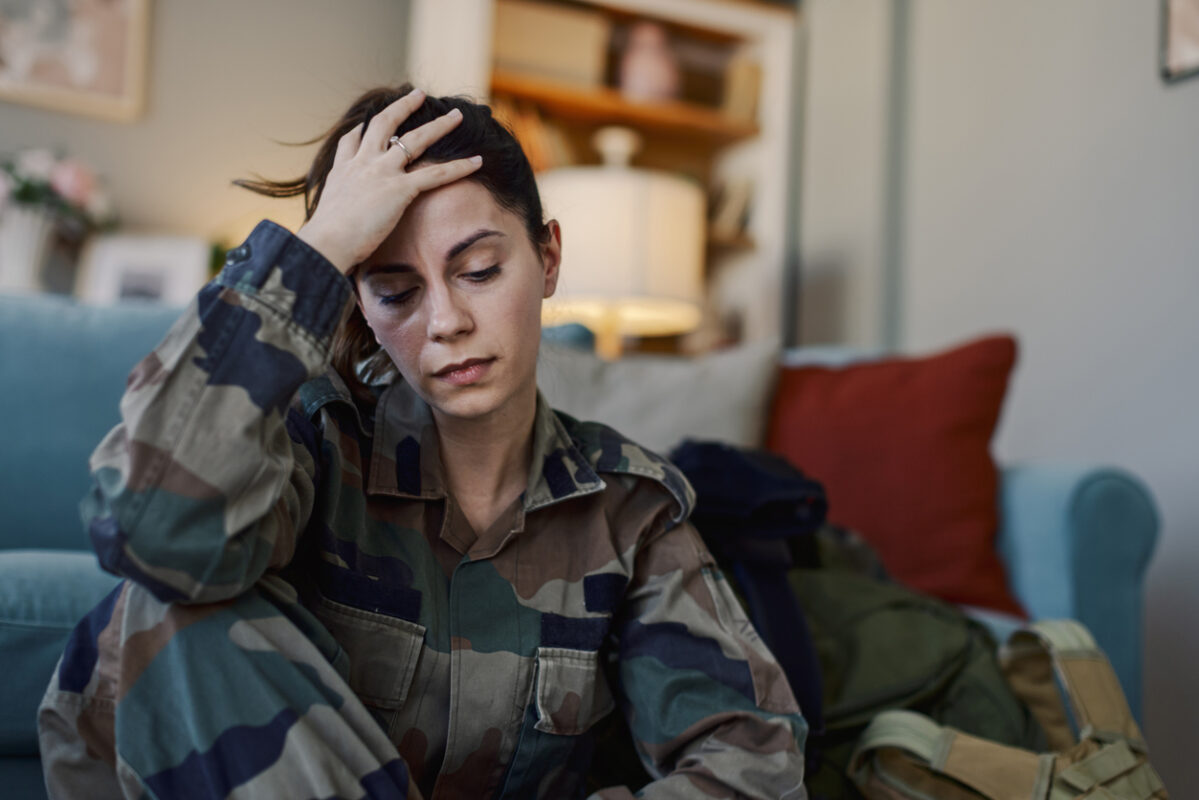
PTSD and substance use disorders are two of the most common challenges veterans face after military service, and they’re often more connected than people realize. Many veterans carry experiences that changed how their mind and body respond to stress.
Even after coming home, it can feel like the nervous system never fully powers down. In that space, alcohol or drugs can start to feel like relief. A drink may make sleep come easier.
Substances may quiet racing thoughts, numb painful memories, or take the edge off constant tension. Pain medications may begin as part of legitimate treatment for injuries. Over time, what started as coping can turn into dependence, especially when trauma symptoms stay untreated.
In this guide, we’ll explain what PTSD looks like in veterans, why it’s so common, and why the risk of substance use disorders is higher in this population. You’ll also learn what effective treatment looks like and why addressing trauma and addiction together can help veterans build steadier, long-term recovery.
What is PTSD?
Post-traumatic stress disorder, or PTSD, is a mental health condition that can develop after someone experiences or witnesses a traumatic event. Trauma overwhelms the brain’s ability to process what happened, which can leave the nervous system stuck in survival mode long after the danger has passed.
Instead of feeling like a memory, the event can feel present and immediate, triggering strong emotional and physical reactions. PTSD affects how a person thinks, feels, sleeps, and responds to stress.
What Does PTSD Look Like in Veterans?
PTSD in veterans often has roots in combat, deployment, military sexual trauma, or other service-related experiences. In the military, staying alert and prepared for danger is necessary. After returning home, that same survival wiring can make everyday life feel tense, unpredictable, or overwhelming.
Symptoms of PTSD in Veterans
- Flashbacks or intrusive memories that feel vivid and real
- Nightmares related to combat or service experiences
- Avoiding reminders of trauma, including places or conversations
- Emotional numbness or feeling disconnected from others
- Guilt, shame, or persistent negative thoughts
- Irritability or sudden anger outbursts
- Being easily startled or constantly on guard
- Trouble sleeping or relaxing
Why is PTSD Common in Veterans?
While anyone can develop PTSD, veterans experience it at higher rates than civilians because of repeated exposure to life-threatening situations and extreme stress.
Military service places individuals in situations most civilians will never face. The brain adapts to survive those environments, but those adaptations can become difficult to turn off.
Understanding why PTSD is more common among veterans helps reduce shame and reinforces that these reactions are rooted in survival, not weakness.
Repeated Exposure to Life-Threatening Situations
Combat zones involve constant unpredictability and danger. Service members may experience firefights, explosions, ambushes, or the threat of attack at any time. When the brain stays in fight-or-flight mode for extended periods, it can struggle to return to baseline once the mission ends. That ongoing hyper-alert state is one of the core features of PTSD.
Witnessing Injury or Death
Seeing fellow service members or civilians injured or killed can deeply affect the nervous system. The brain stores intense memories differently than everyday events. In PTSD, those memories may remain highly vivid and emotionally charged, leading to flashbacks, nightmares, or sudden emotional reactions triggered by reminders.
Moral Injury
Some veterans struggle not only with what happened to them, but with actions they took or situations they witnessed that conflicted with their personal values. This is often referred to as moral injury. Feelings of guilt, shame, anger, or betrayal can layer onto PTSD symptoms, making recovery more complex and deeply personal.
Military Training and Survival Mode
Military training prepares service members to react quickly and decisively to threats. Heightened awareness, rapid response, and emotional control are essential skills in combat. After returning home, that same training can show up as trouble relaxing, irritability, jumpiness at loud noises, or difficulty sleeping. The nervous system may still be scanning for danger even in safe environments.
Difficulty Transitioning to Civilian Life
Shifting from a highly structured, high-intensity military environment to civilian life can feel disorienting. The pace, expectations, and social dynamics are different. Some veterans report feeling disconnected or misunderstood by those who haven’t shared similar experiences. That sense of isolation can intensify PTSD symptoms and delay seeking help.
The Connection Between PTSD and Substance Abuse in Veterans
PTSD and substance use disorders (SUD) often occur together, and this is especially common in veterans. Research shows people with PTSD may be up to 14 times more likely to have a substance use disorder, and PTSD is more common in veterans than in the general population
In other words, the higher prevalence of PTSD in veterans helps explain why substance abuse is such a common co-occurring issue in this population. This connection isn’t a coincidence — let’s take a closer look at why that is.
Self-Medication and Coping Drives Substance Use
Many veterans don’t start drinking or using drugs because they want to get high. They start because they want relief. PTSD can cause intense anxiety, sleep problems, irritability, and intrusive memories that feel impossible to shut off.
Alcohol and drugs can temporarily dull those symptoms. They may help someone fall asleep, quiet racing thoughts, or numb emotional pain. The problem is that the relief doesn’t last. The brain begins to rely on substances to feel calm, and over time, the person often needs more to get the same effect.
The Cycle of Mutual Reinforcement
PTSD and addiction tend to feed into each other. PTSD symptoms can drive substance use, and substance use can make PTSD worse.
Alcohol and drugs often increase depression, anxiety, and emotional instability over time. They can also disrupt sleep, intensify anger, and lower impulse control. As a result, the veteran may feel more overwhelmed, more reactive, and more disconnected, which increases the urge to use again.
This cycle can be hard to break without treatment that addresses both conditions at the same time.
Unique Risk Factors in Veterans
Veterans often face trauma exposures that increase risk for both PTSD and addiction. Combat exposure, multiple deployments, and military sexual trauma can create layers of trauma that are difficult to process without support.
Many veterans also live with chronic pain due to injuries or service-related conditions. Opioid prescriptions can be part of legitimate pain management, but they can also increase the risk of dependence, misuse, and overdose. When chronic pain, PTSD, and substance use overlap, the risk of long-term complications rises.
These factors don’t mean recovery is out of reach. But they do mean veterans often need specialized care that understands both trauma and the realities of military life.
What Effective Treatment Looks Like
Because PTSD and addiction are so closely connected, treatment works best when both are addressed together. If one condition is treated while the other is ignored, symptoms often return, and recovery becomes harder to maintain.
Many veterans have already tried to “push through” for years. Effective care offers something different: structured support that targets the root causes, not only the surface behaviors.
The most successful programs typically combine evidence-based trauma treatment with addiction treatment in a way that feels safe, coordinated, and realistic.
Integrated Dual Diagnosis Treatment Improves Outcomes
PTSD and substance use disorders are often treated separately, which can leave gaps in care. A veteran may be told to stop using before addressing trauma, or to address trauma without having strong relapse prevention tools in place.
Integrated dual diagnosis treatment takes a different approach. It treats both PTSD and addiction at the same time, with one coordinated plan. This helps reduce relapse risk, improves emotional stability, and supports long-term recovery instead of short-term symptom management.
Trauma-Focused Therapy Can Be Done Alongside Addiction Treatment
Many people worry that trauma therapy will make cravings worse or destabilize early sobriety. The truth is, trauma-focused treatment can be effective when it’s paced correctly and supported by strong clinical care.
Therapies like Cognitive Processing Therapy (CPT), Prolonged Exposure (PE), EMDR, and trauma-informed CBT are widely supported approaches for PTSD.
In dual diagnosis treatment, these therapies can be adapted to help veterans process trauma while also learning coping skills, emotional regulation, and relapse prevention strategies.
Veteran-Centered Programs Improve Engagement and Recovery
Veterans often do better in programs that understand military culture. That includes understanding how service shapes identity, communication style, and emotional survival strategies.
Veteran-centered treatment may include peer support, trauma-informed care, and clinicians who understand combat-related stress, moral injury, and military sexual trauma. When veterans feel understood instead of judged, they’re more likely to stay engaged in treatment and build trust in the recovery process.
This kind of support matters. Recovery is not only about stopping substance use. It’s about rebuilding safety, stability, and connection after experiences that changed how the brain and body respond to the world.
Get Veteran-Focused Dual Diagnosis Support
PTSD and substance use often show up together, and it can be hard to make real progress if only one is treated. You deserve care that addresses both at the same time, in a setting built for the unique weight of service.
At The Meadows Texas, we offer specialized co-occurring disorder treatment for military veterans who have experienced PTSD and trauma. We help you heal from trauma while safely addressing alcohol or drug use, treating PTSD, depression, and related struggles alongside addiction.
If you have questions or want to talk through what support could look like, contact us today.