
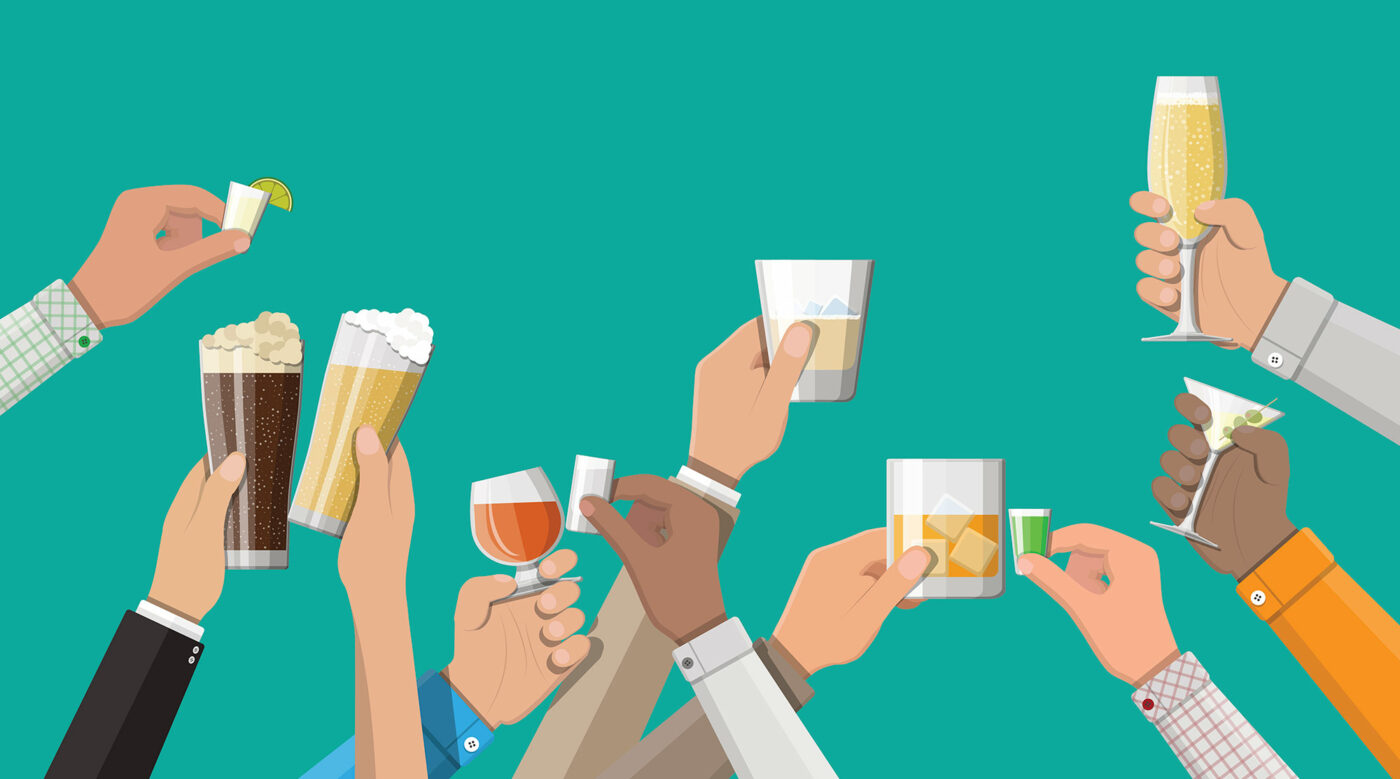
Alcohol is widely accepted in social settings, which can make it easy to overlook how much it affects the body and brain. While occasional drinking may not cause lasting harm for some people, excessive or long-term alcohol use can take a serious toll over time.
The impact goes beyond hangovers or feeling tired the next day. Heavy drinking can affect major organs, disrupt sleep and mood, interfere with memory and decision-making, and increase the risk of long-term health conditions. Some of these effects develop gradually, which makes them easier to ignore until symptoms become harder to manage.
Below, we break down the physical and mental effects of excessive drinking, along with what research says about whether those effects can improve after someone stops.
Physical Effects of Excessive Drinking
Excessive drinking can affect almost every system in the body, from your digestion and metabolism to your heart and immune system. Some effects show up quickly, like dehydration and stomach irritation, while others build slowly over time and can lead to serious long-term damage.
Irritates the Digestive System
Alcohol can damage the protective lining of your GI tract, which can lead to inflammation and other digestive disorders. This often shows up as a loss of appetite and uncomfortable symptoms like nausea, vomiting, a bloated “too full” feeling, gas, and stomach pain.
Damages the Liver
The liver works hard to break down alcohol, but repeated heavy drinking can overwhelm it. This can lead to fat buildup, inflammation, and eventually scarring that limits how well the liver filters toxins and supports digestion. Severe damage may become permanent and life-threatening.
Strains the Heart and Raises Blood Pressure
Excessive drinking can raise blood pressure and interfere with normal heart rhythm. Over time, this added strain can weaken the heart muscle, increase the risk of stroke, and make heart disease more likely.
Inflames the Pancreas
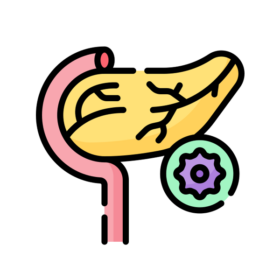
Excess alcohol can cause inflammation of the pancreas, for which there is no treatment; what’s more is the soreness only gets worse over time and can cause constant pain, inhibit digestion, and lead to vomiting and weight loss.
Obstructs Blood Sugar Balancing
When you drink heavily, metabolizing the alcohol takes priority over proper balancing of blood sugar, which can lead to diabetes. Low blood sugar (hypoglycemia) is serious because of its incompatibility with alcohol and interference with most diabetes medications.
Slows Fat Burning and Promotes Weight Gain
Some studies suggest that alcohol may be a risk factor for obesity, especially when consumed in large quantities. This is because when you drink, your body treats alcohol like a “must-handle-now” fuel source.
That pushes fat and carbs to the back of the line, so you burn less fat during and after drinking. Over time, that shift can make it easier to gain weight, especially if drinking also comes with late-night snacking or bigger portions.
Weakens the Immune System
Our bodies have the extraordinary ability to ward off infection and disease, but when alcohol enters the picture, you’re more susceptible to serious health problems, including tuberculosis, pneumonia, and other lung conditions.
Causes Body Aches and Muscle Soreness
Alcohol can leave you feeling achy because it dehydrates the body, irritates tissues, and ramps up inflammation. It can also disrupt sleep and recovery, so muscles feel more sore, and the whole body can feel run down the next day.
Sexual and Fertility Dysfunction
Heavy alcohol use has been directly correlated to erectile dysfunction, a decline in libido, and a lack of testosterone production in men. For women, it can cause estrogen levels to drop, resulting in a decrease in the usual hormone fluctuations required for ovulation and an irregular monthly cycle.
Mental Effects of Excessive Drinking

Excessive drinking doesn’t only affect the body — it also changes how the brain processes emotions, stress, memory, and decision-making. Some effects happen during intoxication, while others show up during hangovers or withdrawal, and they often get worse the more often and heavily a person drinks.
Worsens Anxiety and Depression Symptoms
Alcohol can feel calming at first, but that effect often flips later. Heavy drinking can bring on sadness and a heavier mood while you’re intoxicated, then shift into nervousness and anxiety as it wears off during a hangover or withdrawal period.
Studies show that the more you drink and the more often you drink, the more likely these temporary mood and anxiety symptoms are to show up — and the more intense they can feel.
Weakens Sleep Quality
Heavy drinking is linked to ongoing sleep problems, including less deep, restorative sleep and changes in dream sleep. For some people, these sleep issues can stick around even after they stop drinking for a while. Poor sleep can also increase cravings and make relapse more likely.
Impairs Memory and Focus
Alcohol mainly affects your brain’s ability to form new long-term memories. That’s why someone might remember older life events clearly, and still hold a conversation in the moment, but later have no memory of what happened. Studies show these memory and attention issues get worse as alcohol intake increases, especially during heavy or repeated drinking.
Disrupts Emotional Regulation
Alcohol can make it harder to manage strong feelings in the moment. It weakens the “thinking” skills your brain uses to pause, calm yourself down, and choose a better response, which can make reactions more intense. That’s one reason heavy drinking can lead to more arguments, impulsive behavior, or aggression.
Weakens Judgment and Decision-Making
Excessive alcohol (a lot at once or over many years) can change and damage the prefrontal cortex, both in how it works and its physical structure. Because the prefrontal cortex supports self-control, planning, and risk assessment, these changes can lead to worse decision-making, weaker impulse control, and poorer judgment.
As a result, people may make choices they would not normally make, especially in situations involving safety, relationships, money, or driving.
Raises Risk of Self-Harm and Suicidal Thoughts
Alcohol can intensify painful emotions while also lowering self-control. This combination can increase the risk of unsafe choices, including self-harm, suicidal thoughts, or acting on impulses.
Increases Paranoia and Suspicious Thinking
Excessive drinking can make some people feel unusually distrustful or threatened, especially during heavy intoxication or withdrawal. This can lead to overthinking, misreading situations, or assuming the worst about others.
Causes Blackouts and Memory Gaps
Alcohol can interfere with the brain’s ability to form new memories, even if someone is still awake and talking. This can lead to missing chunks of time and not remembering conversations, choices, or risky situations.
Increases Risk of Alcohol Dependence and Withdrawal Symptoms
With repeated heavy drinking, the brain can start relying on alcohol to feel “normal.” Over time, stopping suddenly may cause withdrawal symptoms like shakiness, sweating, anxiety, nausea, insomnia, or in severe cases, seizures.
Can the Effects of Excessive Alcohol Consumption Be Reversed?
In many cases, the effects of alcohol consumption — at least partially. A degree of brain recovery naturally begins once someone stops drinking, and certain functions can improve over time. That said, how much healing occurs depends on factors like how long and how heavily someone drank, their overall health, and whether organ damage has already developed.
Some Brain Changes May Improve Over Time
Research shows alcohol can alter how the prefrontal cortex works, which affects judgment, impulse control, and planning. After someone stops drinking, some brain structure and function can improve, but scientists are still learning how fully certain brain cells and activity patterns recover after long-term exposure. In some cases, changes may only partially reverse.
Treatment Can Help Rewire Brain Circuits
Studies using brain imaging show that behavioral treatment for alcohol use disorder can help normalize activity in areas tied to reward and stress. Therapy can also strengthen cognitive networks that support self-control and reduce cravings.
Approaches like neurofeedback, cognitive behavioral therapy, motivational enhancement therapy, mindfulness-based strategies, family counseling, contingency management, and peer support programs can all support these changes.
Exercise Can Support Brain Healing
Some emerging research suggests exercise may help counter some alcohol-related brain changes. While physical activity does not directly undo damage, it activates healthy reward pathways and can reduce cravings. Exercise may also improve anxiety and depression, which often co-occur with heavy drinking and increase relapse risk.
Nutrition Can Support Physical Recovery
Heavy drinking can leave the body depleted and inflamed, which slows healing. Nutrition helps offset some physical effects by restoring key nutrients and supporting organ repair where the body still has the ability to recover.
Foods rich in protein, including lean meats, fish, and plant-based proteins can help:
- Correct vitamin and mineral deficiencies that affect energy and nerves.
- Support muscle repair and strength by restoring consistent protein intake.
- Help the gut lining recover, which can improve appetite and digestion.
- Support early fatty liver improvement after drinking stops.
- Stabilize blood sugar swings that can worsen fatigue and cravings.
However, a balanced diet cannot fully prevent or reverse organ damage caused by alcohol’s direct toxic effects, especially in cases like alcoholic liver disease. In those cases, medical treatment and long-term care are necessary.
How Much Alcohol Can I Drink Before It Impacts My Health?
In general, regularly drinking more than 14 units of alcohol per week can start to increase the risk of health damage over time. How many “units” are in a drink depends on the size of the drink and how strong it is, so the same type of alcohol can add up very differently depending on the pour.
It’s also worth noting that research on alcohol and health has continued to evolve in recent years, and newer evidence has strengthened the link between regular drinking and long-term health harms.
Starting to Feel Concerned?
If you’ve read this far and something feels familiar, that matters. Maybe you recognize some of these symptoms in yourself; maybe you see them in someone you care about. Either way, paying attention to that concern is an important first step.
When Drinking Starts to Feel Different
Excessive drinking doesn’t always look extreme. It can show up as worsening sleep, mood swings, memory gaps, rising blood pressure, or changes in behavior that slowly become harder to ignore. Over time, what started as social or stress-related drinking can turn into something that feels difficult to control.
Questions Worth Asking Yourself
If you’re wondering whether it’s becoming a problem, ask yourself a few honest questions:
- Has drinking started to affect my health, work, or relationships?
- Do I feel anxious, irritable, or unwell when I don’t drink?
- Have I tried to cut back and found it harder than expected?
- Am I worried about someone else’s drinking but unsure how to bring it up?
Don’t Wait for Rock Bottom
Many physical and mental effects improve when drinking stops, especially with the right guidance. Researching treatment options can help you understand what’s happening and what next steps make sense.
Concern is not overreacting; it’s often the first sign that change may be needed.
Talk to Someone About Getting Help
If you’re worried about your drinking, or you’re concerned about someone you love, it may be time to get support from professionals who understand what alcohol dependence looks like and how to treat it.
Medical detox is often one of the safest ways to begin. During detox, a person stays in a rehab facility where trained healthcare providers monitor symptoms closely and provide medication and counseling to make withdrawal more manageable. After detox, the next step is continuing care through a structured treatment program.
With the right help, many people are able to stop the health effects of heavy drinking from becoming permanent. If you’re ready to take the next step, contact us today to learn how alcohol addiction treatment at The Meadows Texas can help.