
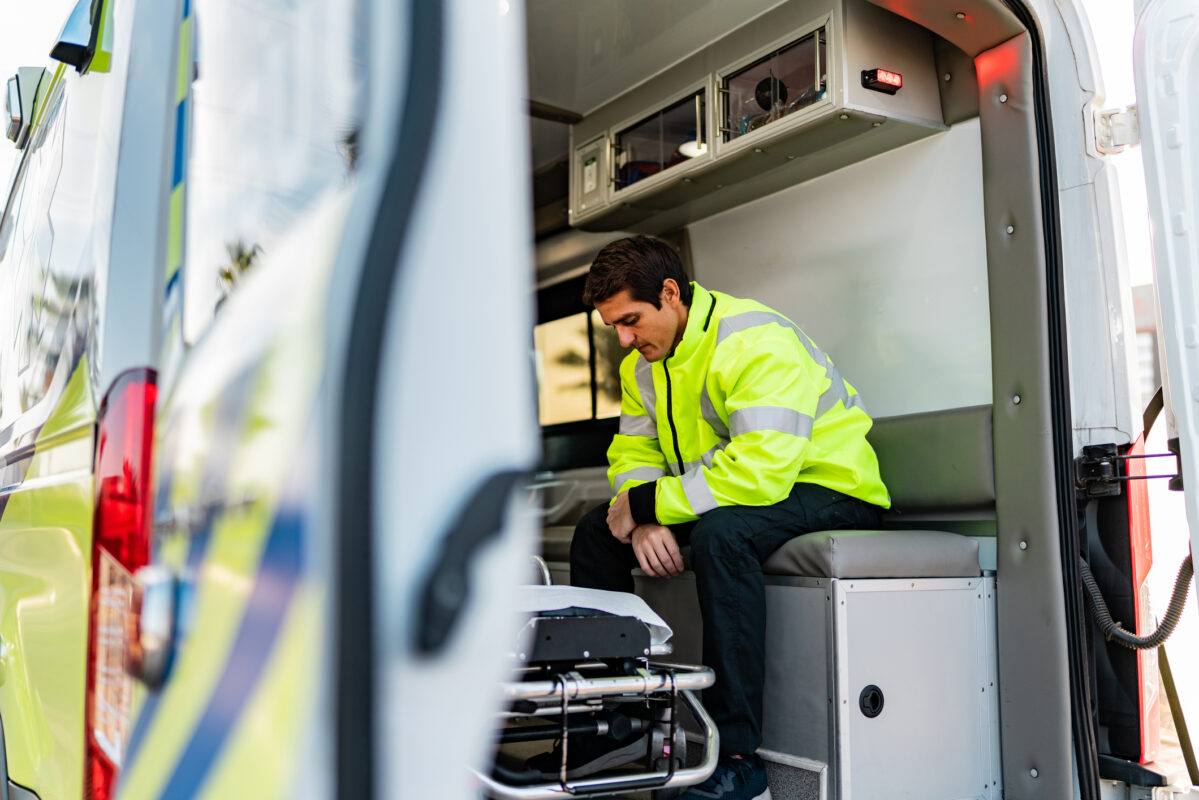
First responders often spend their careers stepping into situations most people run from. Police officers, firefighters, paramedics, and emergency medical professionals regularly witness severe injuries, violence, and loss. Over time, these experiences can take a serious toll on mental health.
Like military members and veterans, many first responders develop post-traumatic stress disorder (PTSD) after repeated exposure to traumatic events. You may also hear the term post-traumatic stress injury (PTSI), which is used to describe the same set of symptoms in a way that highlights injury rather than disorder. This language can feel more accurate for people whose symptoms developed through the demands of their work.
In some cases, alcohol, prescription medications, or other substances begin to feel like a way to manage the stress, anxiety, and sleep problems that follow. What starts as a way to take the edge off can gradually turn into dependence, especially if trauma symptoms go untreated.
In this guide, we’ll explain how PTSD affects first responders, why substance use disorders often develop alongside trauma, and what to look for when searching for addiction treatment that understands the realities of emergency service work.
Understanding Trauma-Related Stress in First Responders
First responders are trained to move quickly, stay focused, and make critical decisions in high-pressure situations. These skills are essential in emergencies, but repeated exposure to trauma can change how the brain and body respond to stress over time.
PTSD
Post-traumatic stress disorder is a mental health condition that can develop after someone experiences or witnesses a traumatic event. In first responders, these events may include severe accidents, violent crimes, natural disasters, or situations involving life-threatening danger.
When trauma overwhelms the brain’s ability to process what happened, the nervous system may remain in survival mode. Memories of the event can feel vivid and immediate, as if the danger is still present.
PTSD can affect many areas of daily life. People may experience intrusive memories, difficulty sleeping, emotional numbness, irritability, or a constant sense of being on guard. These symptoms are not signs of weakness. They are the nervous system’s attempt to stay prepared for danger after repeated exposure to high-stress events.
PTSI
Post-traumatic stress injury is another way to describe the same set of trauma-related symptoms. While it is not a formal diagnosis, it is often used by first responders and military communities.
Some people prefer the term PTSI because it reflects how these symptoms develop through repeated exposure to high-stress situations on the job. It can feel more aligned with the reality of the work and the cumulative impact of trauma over time.
Whether someone uses PTSD or PTSI, the experience and treatment path remains the same. The most important thing is finding language that feels accurate and makes it easier to recognize when support is needed. We’ll be using the terms interchangeably throughout this blog post.
Why PTSD Is Common in First Responders
While PTSD can affect anyone who experiences trauma, first responders face unique risks because of the nature of their work. Their careers often involve repeated exposure to crisis situations that can place intense strain on the nervous system.
Over time, the brain adapts to stay alert and ready for danger. That adaptation can make it difficult for the body to return to a relaxed baseline once the emergency has passed.
Repeated Exposure to Traumatic Events
First responders regularly witness situations involving serious injury, death, and life-threatening emergencies. Unlike many people who experience a single traumatic event, emergency workers may encounter these situations again and again throughout their careers.
Each call may involve a different type of crisis, but the emotional impact can accumulate over time. The brain stores these intense memories differently than everyday experiences, which can lead to flashbacks, intrusive thoughts, or strong emotional reactions triggered by reminders.
High-Stress Decision Making
Emergency situations often require fast decisions that carry significant consequences. First responders may have seconds to act while lives are at stake.
Operating under this level of pressure regularly keeps the nervous system in a heightened state of alertness. Over time, this constant readiness can contribute to anxiety, irritability, and difficulty relaxing outside of work.
Emotional Suppression and Professional Culture
Many first responders feel pressure to remain calm and composed during emergencies. Showing emotion in the moment can interfere with performing the job effectively.
Because of this, emotions often get pushed aside during and after difficult calls. When traumatic experiences are not fully processed, the stress can build over time. Some first responders also worry that talking about mental health struggles could affect their career or how colleagues see them.
Shift Work and Sleep Disruption
Irregular schedules are common in emergency services. Night shifts, long hours, and interrupted sleep can make it harder for the body to recover from stressful situations.
Sleep disruption also worsens many PTSI symptoms. Lack of rest can increase anxiety, irritability, and difficulty regulating emotions, which can make the effects of trauma feel even more overwhelming.
How PTSD and Substance Use Become Connected
PTSD and substance use disorders often develop together, especially in professions where trauma exposure is part of the job. For many first responders, alcohol or drugs are not used for recreation at first. They are used in an attempt to manage symptoms that feel overwhelming or difficult to escape.
Sleep problems, intrusive memories, constant tension, and emotional exhaustion can make everyday life feel exhausting. In that state, substances can begin to feel like a way to quiet the mind or get temporary relief.
Over time, however, this coping strategy can create a new set of problems. The short-term relief substances provide often leads to a pattern where PTSI symptoms and substance use begin reinforcing each other.
Self-Medication as a Coping Strategy
Many first responders turn to substances because they want relief from the physical and emotional symptoms of trauma. Alcohol may make it easier to fall asleep after a difficult shift. Prescription medications may help dull anxiety or physical pain. Other substances may temporarily quiet racing thoughts or intrusive memories.
At first, this relief can feel effective. The brain learns that certain substances reduce distress, even if only temporarily.
The problem is that the relief fades quickly. As tolerance builds, the person often needs larger amounts or more frequent use to achieve the same effect. What began as an attempt to cope with stress can gradually develop into dependence.
The Cycle of Trauma and Substance Use
PTSI and substance use can create a cycle that becomes difficult to break without professional help.
Substances may initially reduce stress or emotional pain, but over time, they often make PTSI symptoms worse. Alcohol and drugs can increase anxiety, disrupt sleep, and intensify mood swings. They can also reduce impulse control and make emotional reactions more difficult to manage.
As PTSI symptoms grow stronger, the urge to use substances again may increase. The person may feel trapped between the distress caused by trauma and the consequences of substance use. Without treatment that addresses both issues at the same time, this pattern can continue for years.
Occupational Risk Factors That Increase Vulnerability
First responders face several additional challenges that can increase the risk of substance use disorders.
Some of these risks are connected directly to the demands of the job, while others relate to the culture surrounding emergency service work.
Common risk factors include:
- Chronic exposure to high-stress situations and traumatic events
- Injuries that lead to long-term pain and prescription medication use
- Workplace cultures that discourage talking about mental health struggles
- Pressure to appear resilient or emotionally unaffected by difficult calls
- Long shifts and irregular schedules make healthy coping routines harder to maintain
These factors do not mean addiction is inevitable. However, they can make it harder for first responders to process trauma and seek help early.
Signs a First Responder May Need Dual Diagnosis Treatment
PTSD and substance use disorders often occur together, which is why many people benefit from treatment that addresses both conditions at the same time. This type of care is often called dual diagnosis treatment.
When only one condition is treated, symptoms of the other can continue to interfere with recovery. Addressing trauma and addiction together helps create a more stable path forward.
For first responders, the warning signs may appear gradually. Some changes are easy to overlook at first, especially in high-stress professions where emotional strain can feel like a normal part of the job.
Common signs that a first responder may benefit from dual diagnosis treatment include:
- Increased use of alcohol or drugs after difficult calls or stressful shifts
- Trouble falling asleep or staying asleep without using substances
- Emotional numbness or feeling disconnected from family and friends
- Irritability, anger outbursts, or sudden mood changes
- Avoiding reminders of traumatic incidents or conversations about work
- Declining job performance or increased absences from work
- Withdrawing from coworkers, loved ones, or activities that once felt important
These signs do not mean someone has failed or lost control. They often indicate that the mind and body are struggling to process the effects of repeated trauma.
With the right support, both PTSI and substance use disorders can be treated. Recognizing the need for help is often the first step toward recovery.
What to Look for in Addiction Treatment for First Responders
Finding the right treatment program can make a significant difference in recovery. First responders face unique stressors, and treatment should take those experiences into account.
Programs that understand trauma and the culture of emergency service work are often better equipped to help first responders process what they’ve been through while building healthier coping strategies. The goal is not only to stop substance use, but to help restore stability, emotional balance, and long-term well-being.
When searching for treatment, it helps to look for programs that address both trauma and addiction together and provide care that respects the realities of the job.
Integrated PTSD and Addiction Treatment
Because PTSD and substance use disorders often reinforce each other, treatment tends to be more effective when both conditions are addressed at the same time.
In integrated dual diagnosis treatment, clinicians create a coordinated plan that focuses on trauma symptoms, emotional regulation, and substance use patterns together. This approach helps reduce the risk of relapse and supports more stable recovery.
Instead of asking someone to manage trauma and addiction separately, integrated care recognizes how closely these challenges are connected and treats them as part of the same recovery process.
Trauma-Focused Therapies
Trauma-focused therapy helps people safely process painful experiences and reduce the intensity of PTSI symptoms. These therapies are structured to move at a pace that supports emotional stability while building coping skills.
Several evidence-based approaches are commonly used in trauma treatment, including:
- Eye Movement Desensitization and Reprocessing (EMDR)
- Cognitive Processing Therapy (CPT)
- Trauma-informed Cognitive Behavioral Therapy (CBT)
These therapies help individuals understand how trauma affects thoughts, emotions, and behavior. Over time, they can reduce the power of traumatic memories and help people develop healthier ways to respond to stress.
Programs That Understand First Responder Culture
First responders often feel more comfortable in treatment settings where clinicians understand the realities of emergency service work.
Specialized programs recognize the pressures first responders face, including exposure to trauma, long shifts, and the expectation to remain calm under extreme stress. Treatment providers who understand this environment can help patients talk openly about their experiences without feeling misunderstood.
When people feel respected and understood, they are more likely to stay engaged in treatment and work through the recovery process.
Peer Support and Community
Connection with others who share similar experiences can be a powerful part of recovery.
Peer support groups for first responders allow people to talk with others who understand the challenges of the job. These conversations can reduce isolation and help individuals feel less alone in their experiences.
Support from peers who have faced similar trauma can also strengthen motivation for recovery and provide encouragement during difficult moments.
Find Support That Understands You Completely
You deserve care that understands the realities of first-responder work and the weight trauma can carry long after a call ends. It is extremely important to find programs that speak the language of First Responders and veterans, as this can make all the difference in delivering knowledgeable, professional care.
At The Meadows, we offer specialized treatment for active-duty military, veterans, and public safety professionals who have experienced PTSD and trauma. We’ll help you work through the effects of trauma while safely addressing alcohol or drug use.
This specialized support extends across The Meadows, including our other inpatient programs, all Meadows Outpatient Centers, and our Virtual Intensive Outpatient Program (VIOP), so you can stay connected to care at every stage of recovery.
If you have questions or want to talk through what support could look like, contact us today.